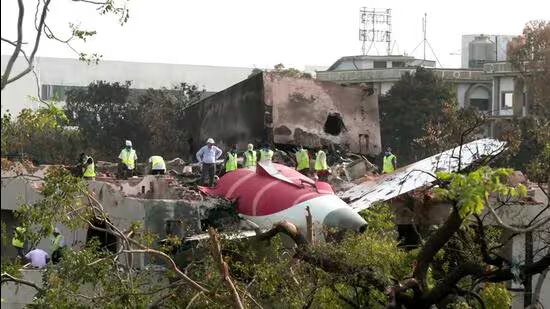
A US-based aviation safety advocacy group has alleged that the Air India Boeing 787 aircraft that crashed in Ahmedabad in June 2025 suffered from recurring technical problems throughout its operational life, raising concerns that long-standing safety issues linked to the aircraft type may have been overlooked.
According to the group, records in its possession suggest that the aircraft, registered as VT-ANB, experienced system failures from its very first day in service with Air India, continuing over more than a decade of operations.
The claims were outlined in a presentation submitted earlier this month to US lawmakers, which detailed what the group described as a pattern of engineering, manufacturing, quality control, and maintenance shortcomings.
The group alleged that these problems were not isolated incidents but part of a broader and persistent pattern that affected the aircraft throughout its service life.
It claimed that system failures began shortly after the aircraft arrived in India in early 2014 and continued until the time of the fatal crash.
According to the allegations, the aircraft rolled out of the factory in late 2011, flew for the first time in December 2013, and was delivered to Air India in January 2014, entering commercial service the following month.
Among the examples cited was an incident in early 2022 involving a fire in a primary power panel, which reportedly caused extensive damage to wiring and power distribution components and required the replacement of an entire electrical panel.
The group also pointed to a separate grounding later that year due to faults in the landing gear indication system, which it said led to the replacement of multiple critical components.
Commenting on the preliminary findings released by Indian investigators, the group claimed the conclusions appeared to place emphasis on potential pilot error, particularly related to fuel control systems.
It compared this approach to early investigations into previous aircraft crashes, alleging a recurring pattern in which flight crews are blamed while deeper systemic or technical issues receive less scrutiny.
The group also claimed to have analysed more than 2,000 system failure reports related to the Boeing 787 worldwide, covering a significant portion of the global fleet, which it described as only a fraction of the overall picture.
Aircraft manufacturer representatives have said they will defer to India’s official accident investigation process, conducted in line with international aviation protocols.
Indian aviation authorities declined to comment on the allegations, while Air India did not respond to requests for clarification.
As investigations continue, the claims have intensified scrutiny of aircraft certification, long-term maintenance oversight, and how safety concerns are addressed in complex commercial aviation systems.
